

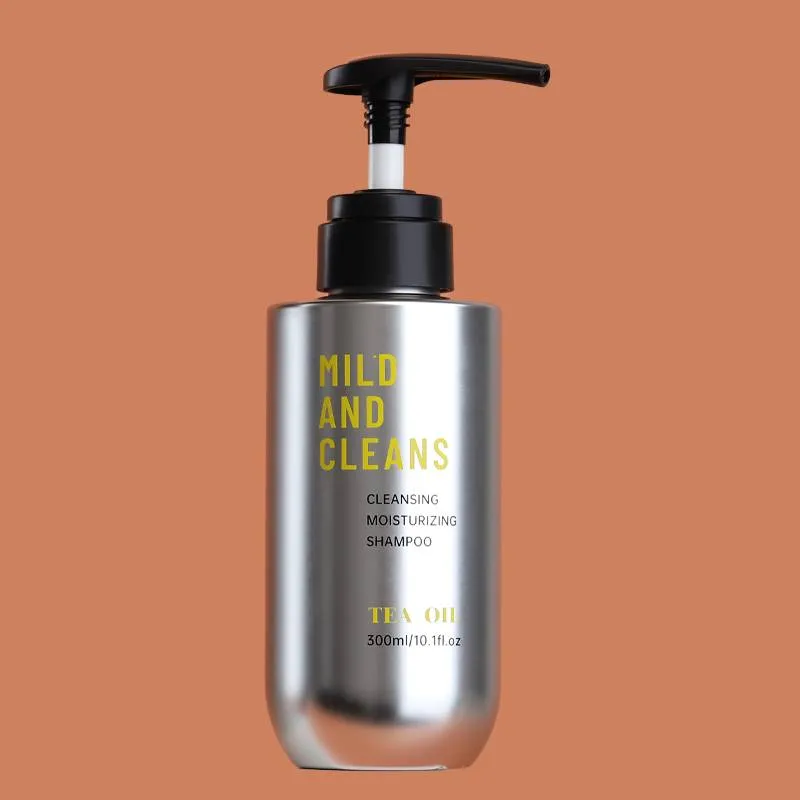
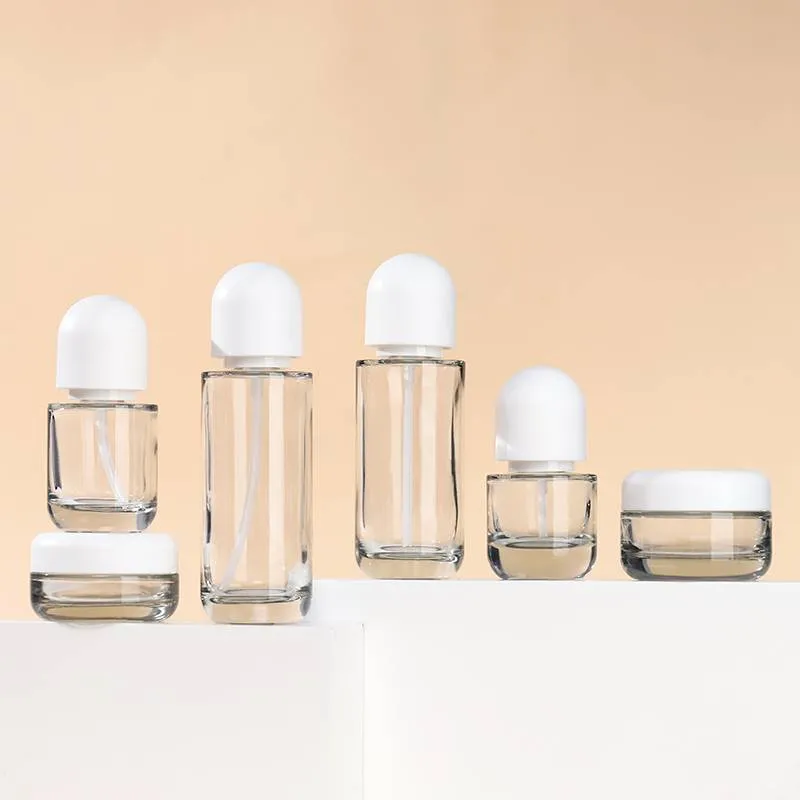
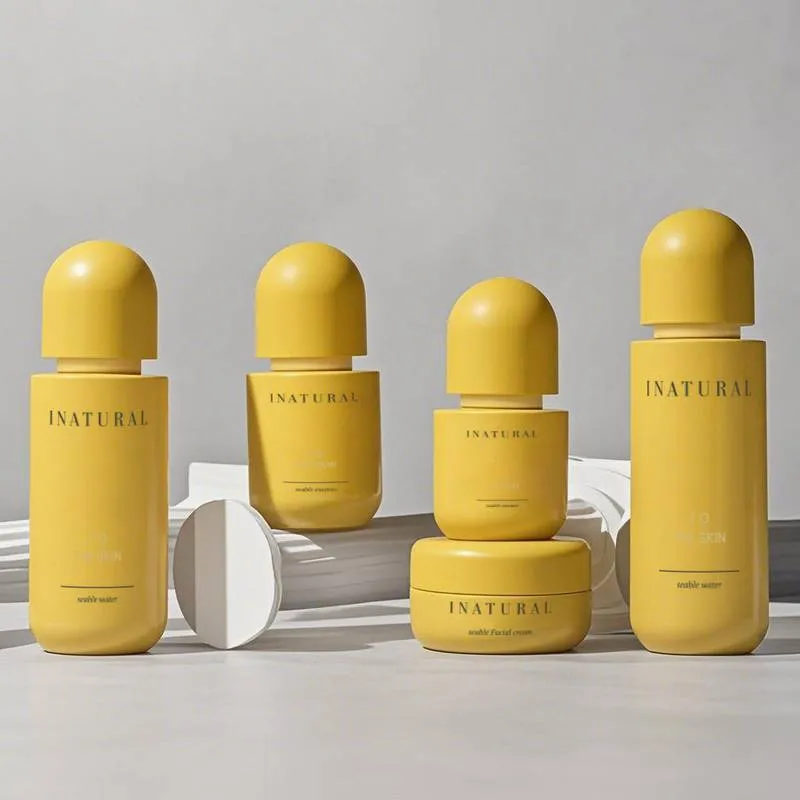
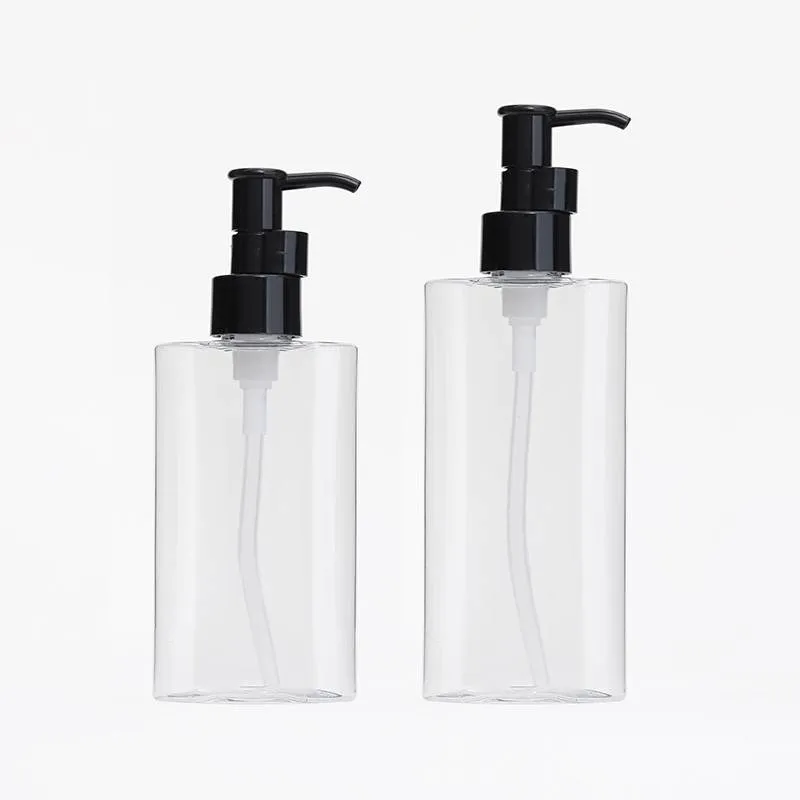

| Section Title | Common Customer Question | Cost Impact & Reasons | Cost-Saving Suggestions |
|---|---|---|---|
| 1. Material Type Matters | “These two bottles look almost identical — why is one double the price?” |  Different resins = different costs. PETG, acrylic, and PET deliver higher gloss and rigidity, but are more expensive. PP/PE are cost-efficient and flexible, widely used for large-volume or mid-tier lines, and can also achieve premium looks with the right finishing. Visual similarity ≠ equal cost. Different resins = different costs. PETG, acrylic, and PET deliver higher gloss and rigidity, but are more expensive. PP/PE are cost-efficient and flexible, widely used for large-volume or mid-tier lines, and can also achieve premium looks with the right finishing. Visual similarity ≠ equal cost. | Use PP/PE to control costs; pair with matte or glossy coating to simulate a high-end look. |
| 2. Material Quality & Density | “Both are PET bottles — why is yours heavier and more expensive?” | Price is influenced by virgin vs recycled resin, gram weight, wall thickness, and consistency. Faster production lowers cost but reduces durability and gloss. | Choose a weight and thickness that align with your brand tier. |
| 3. Surface Finishing & Decoration | “This bottle looks so premium — is it plated or just sprayed?” | Metallic effects come at different price points: Electroplating > Spray coating > Silk printing. Gradient and pearl finishes raise both MOQ and cost. | Use silver/gold spray with clear topcoat to mimic plating. Hot stamping adds detail without major cost increases. |
| 4. Structure Complexity | “Why does a double-wall bottle cost 30–60% more than a single wall?” | Double-walls require more resin, tighter precision, and bonding. Integrated pump designs = higher mold cost + stricter QC. A premium feel often equals complex engineering. | Consider single-layer bottles with advanced coatings for a similar premium look. |
| 5. Mold Setup & Output | “We just tweaked the neck shape — why do we need a whole new mold?” | Public molds are fixed; even minor geometry changes require new tooling. Cavity count (2→4→8→16) impacts both output speed and upfront investment. | Leverage 100+ available public molds, or explore shared mold development to lower costs. |
| 6. Production Equipment | “Why does your printing look sharper?” | Modern servo machines = faster, more precise, and support multi-color printing in one pass. Older or manual machines risk misalignment or blur. | Partner with suppliers using advanced equipment for consistent and sharp results. |
| 7. Component Assembly Management | “It’s just a pump, right? Why is the labor so high?” | Complex structures like refill systems, airless pumps, or multi-layer bottles require manual assembly of gaskets, springs, collars, and alignment. High-tolerance fit = slower assembly. Automation is only possible for standard designs. | Simplify internal structures or choose automation-friendly designs. For complex pumps, consider split shipping (pump and bottle separately). |
| 8. Quality Control Standards | “Why is your defect rate lower than others using the same mold?” | Strong QC means multiple checkpoints: incoming material, in-line process, and final product. Many skip these to cut cost. Additional fatigue and pressure tests = better assurance. |  Apply sampling checks during production to control defect rates without extra burden. Apply sampling checks during production to control defect rates without extra burden. |
| 9. Eco-Friendly Packaging Systems | “Isn’t refillable packaging supposed to save money?” | Refillable systems mean more parts: inner pods, seals, locking mechanisms. Adds 25–50% to cost, especially if custom-fit. | Use hybrid models: keep the outer shell, replace only the pod. Or switch to PCR, bamboo, or glass in classic formats. |
| 10. Packing Method & Shipping Readiness | “Shipping cost doubled just because we added pump assembly?” | Assembled parts increase height, take more space, and scratch more easily. Bagging or boxing adds labor, packaging, and freight cost (+10–40%). | Ship components separately where possible. Simulate carton layout and shipping volume in advance to avoid waste. |
| Material | Relative Cost (vs. PET) | Visual & Texture | Key Features | Recommended Applications |
|---|---|---|---|---|
| PET |  Base cost Base cost | Clear, lightweight | Low cost, versatile, impact-resistant, safe for shipping | Toners, sprays, mass e-commerce products |
| PP | +10%~20% | Opaque, matte | Soft, good chemical resistance, suitable for sensitive formulas | Cream jars, shampoos, baby skincare |
| AS | +15%~25% | Glossy, clear but brittle | Attractive look but low impact resistance, often used for displays | Gift box outers, shell components |
| PETG | +30%~50% | Thick, crystal-clear, glass-like | Premium feel, ideal for mid/high-end visual packaging | Serums, anti-aging lines, PET upgrade option |
| Acrylic | +40%~60% | Heavy, glossy, glass-like | High hardness, easily scratched, visually premium | Luxury cream jars, showcase packaging |
| PE | +10%~20% | Semi-transparent/matte | Soft, squeezable, durable — ideal for tubes | Sunscreen, BB cream, travel-size products |
| Glass | +60%~100% | Most premium, heavy & solid | Excellent for oxidation-prone formulas, fragile, high shipping cost | Serums, ampoules, high-end functional skincare |
| Aluminum | +30%~60% | Metallic, matte or glossy | Lightweight, recyclable, strong eco image | Sunscreen, perfume, eco-friendly premium lines |
| Bamboo / Pulp Mold | +40%~70% | Natural texture, raw feel | Sustainable, earthy style, moisture-sensitive | Gift sets, refill caps, organic/natural brands |
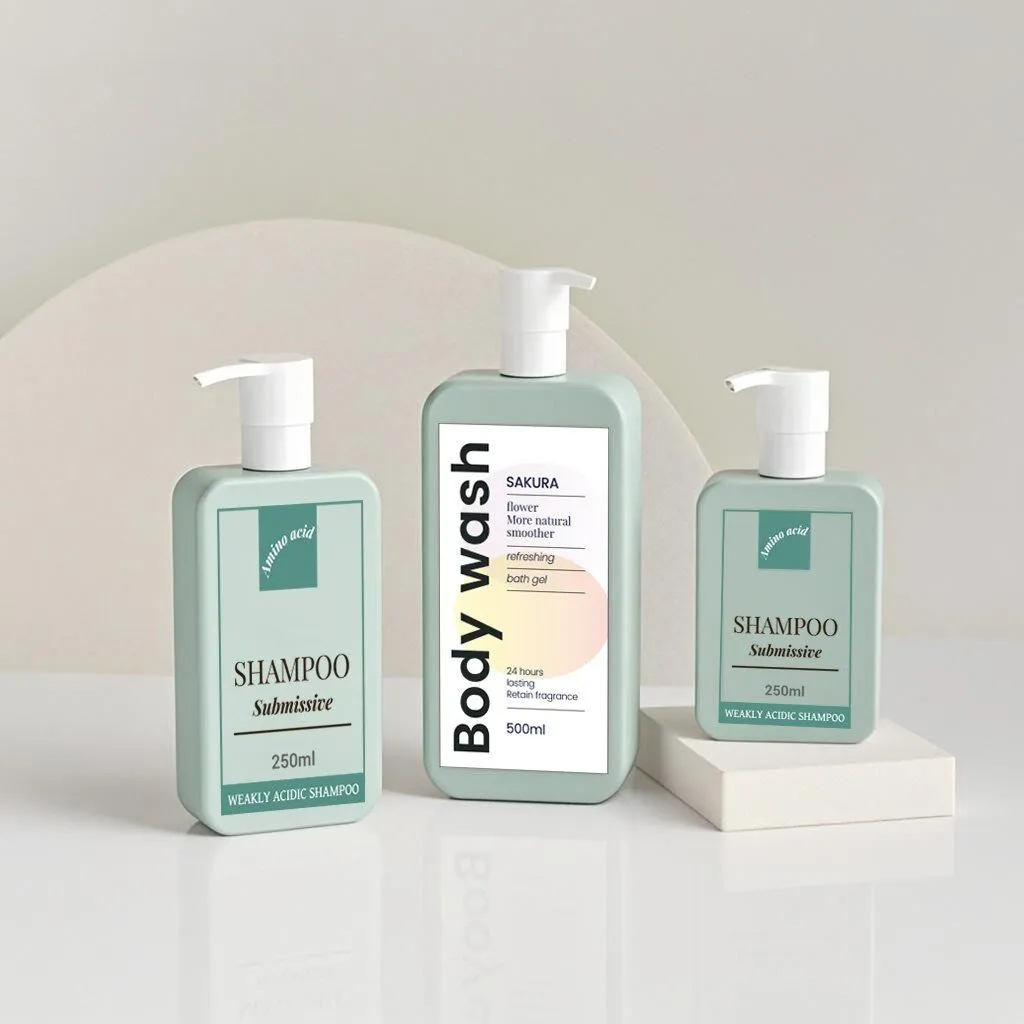
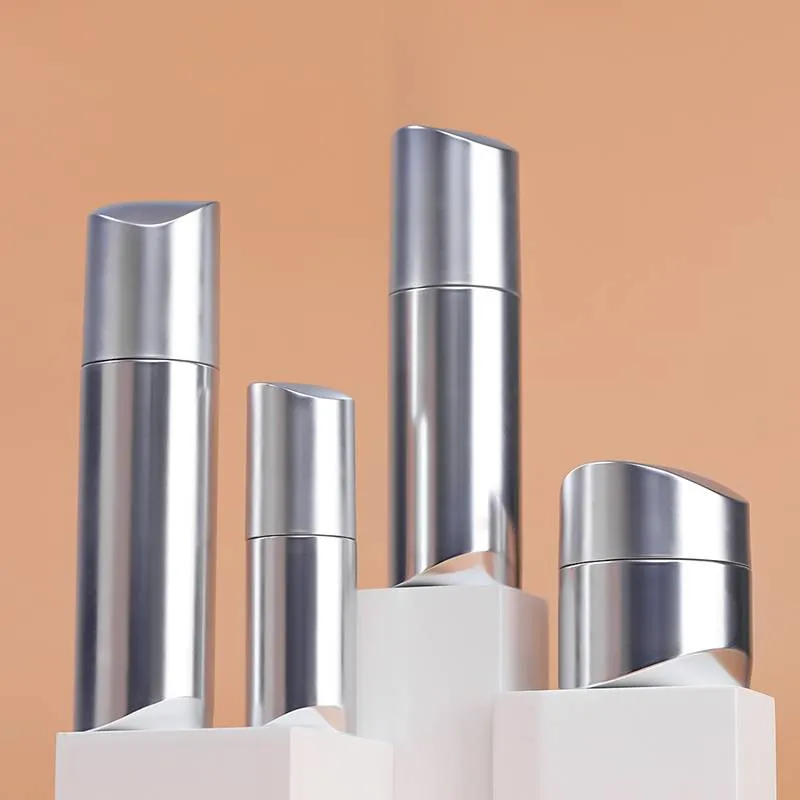
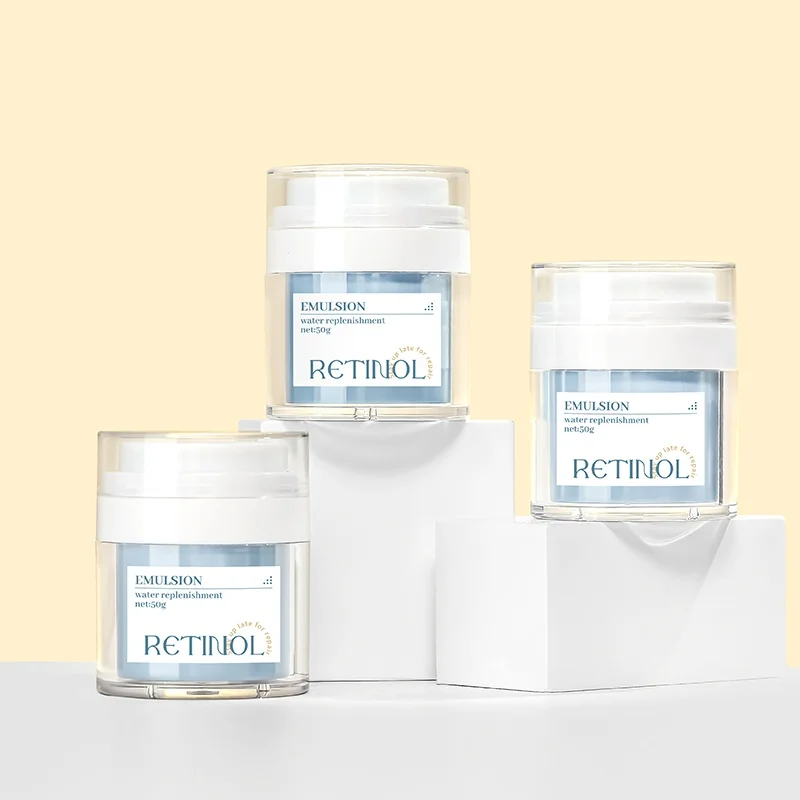
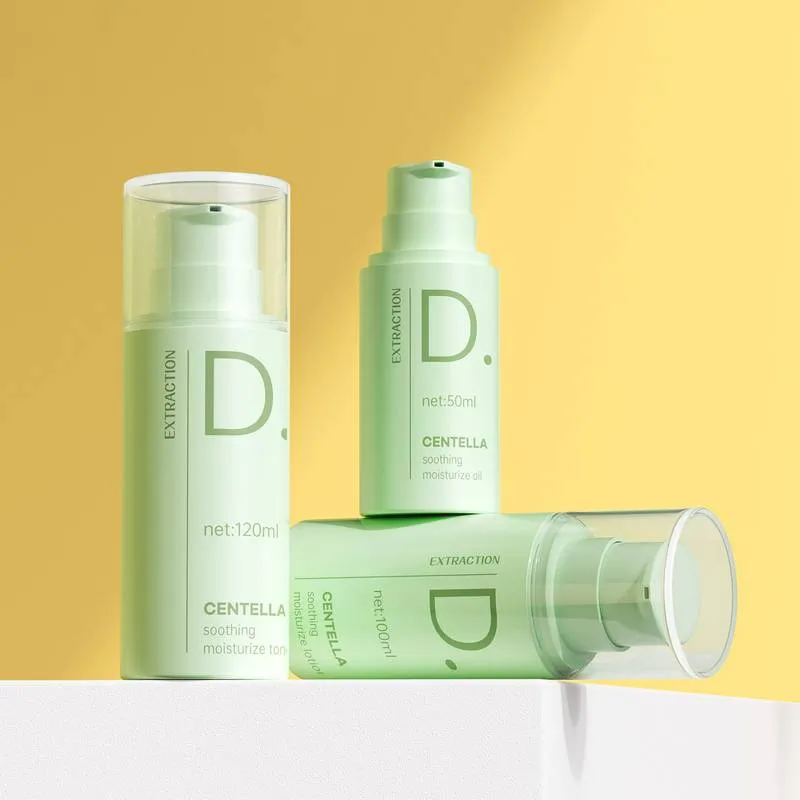


The true impact on cost isn’t just about material type — it’s about the material’s grade, gram weight, purity level, and processing settings.
 Same PP material, but prices can vary by 2–3x
Let’s look at a real comparison:
 They may both be “PP” on paper, but in reality, these are two very different products.
💡 More weight doesn’t just mean “heavier”
Clients often ask, “How many grams is this bottle?”
But weight is not just about how heavy it feels — it reflects material density, structural support, and processing quality.
Lower weight bottles:
Cheaper, but easy to dent or deform
Can feel “hollow” or “flimsy”
Higher weight bottles:
More durable and stable
Feels solid and high-end
Think of it like fabric — a cheap suit and a tailored one may look similar at first glance, but you can feel the difference the moment you touch them.
⚙️ Production settings also affect quality
Even using the same raw material, the machine settings will impact the finish.
Faster production → higher output → lower cost
 But causes more defects: uneven walls, flow lines, shrinkage
Slower, optimized speed → better consistency → higher cost
But delivers better clarity, surface, and structural strength
Premium quality comes from machines that are tuned for precision, not just speed.
🧠 Why does high-quality material + processing matter?
✅How to reduce cost without sacrificing quality?
You’re not just buying “PP” — you’re buying performance
| Material Grade | Cost | Quality | Best for |
|---|---|---|---|
| Recycled / Mixed PP | Lowest | May deform, dull finish | Promotional / low-cost products |
| Standard PP |  Medium Medium | Acceptable finish | Mass-market skincare, personal care |
| Virgin PP (food-grade) |  High High | Clean, bright, strong | Premium skincare, export products |
This way it’s clear that different PP grades = very different performance and positioning, not just different prices.
Material cost ≠ Just the material name.
It depends on:
Is it virgin resin or recycled?
Is the gram weight sufficient?
Are the walls thick and solid?
Was the production machine tuned correctly?
We use safe, stable, brand-grade materials — not the cheap alternatives that only look similar on the surface.

 If you have a tight budget, we can help select smarter combinations —
Same premium look, but with cost optimized by half.
So next time you see a big price gap, don’t just ask “How much?”
First ask:
“Is it virgin material?”
“What’s the gram weight and wall thickness?”
Because what you’re really comparing —
isn’t the price, but your quality strategy.
| Process | Cost Level | Visual Effect | Durability | Typical Use | Advantages | Disadvantages |
|---|---|---|---|---|---|---|
| Spray Coating | Low | Matte or glossy; wide color range | Medium | E-commerce bestsellers, daily care lines | Low cost, rich colors, fast lead time | Lacks metallic feel, prone to scratches |
| Silk Screen Printing | Low | Solid, sharp text or graphics | Very High | Logos, ingredient labels, volume info | Affordable, crisp lines, fits many bottle types | Limited to 1–2 colors per run; not for complex art |
| Hot Stamping | +10%~20% | Partial metallic shine (logos/patterns) | High | Brand highlights, mid-range skincare | Precise, high gloss, strong branding feel | Only for flat areas, cannot cover full bottle |
| Frosting | Medium | Matte, foggy finish with soft texture | High | Minimalist skincare, high-end look | Smooth feel, fingerprint-resistant, soft visuals | Hides inner liquid details, lowers gloss level |
| Electroplating | +30%~60% | Mirror-like metallic finish | Medium–High | Premium serums, gift sets, luxury lines | Luxurious look, enhances brand image | High cost, large MOQ, long lead time |
| Heat Transfer Printing | Medium | Full-color prints, gradient effects | High | Custom designs, gradient bottles, limited editions | Vibrant colors, high detail | Higher cost than silk screen; visible film seams |
| UV Printing | Medium | Glossy highlights, embossing, reflective accents | High | Logo accents, visual highlights | Enhances texture, adds contrast | Only works on flat or slightly curved surfaces |
| Pearlescent / Gradient Spray | +50%~100% | Layered shine, rich visual depth | Stable | Holiday editions, promos, display pieces | Eye-catching, high design appeal | Prone to color variation, complex process, high cost |
| 3D Printing | High | Raised textures, strong depth effect | Stable | Custom limited editions, creative displays | Highly unique, tactile experience | Expensive, low output, not for mass production |
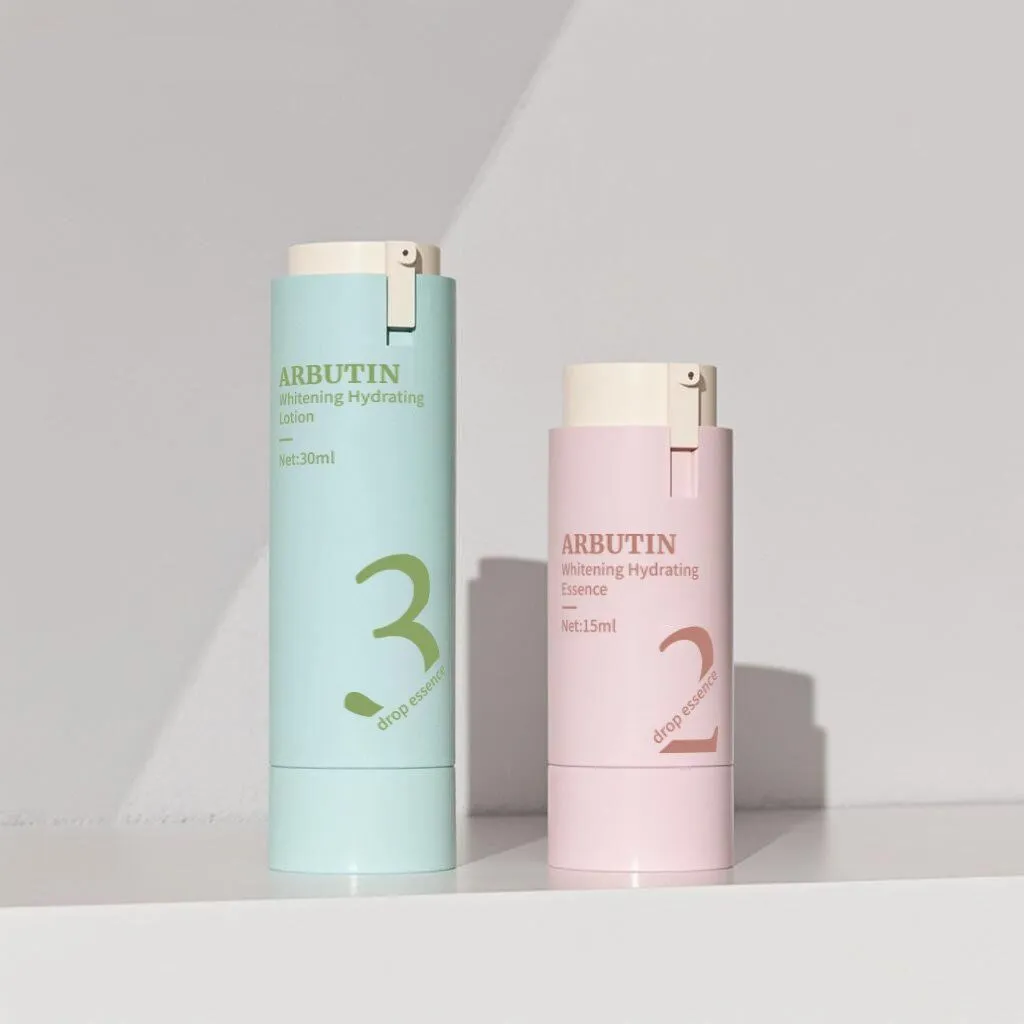
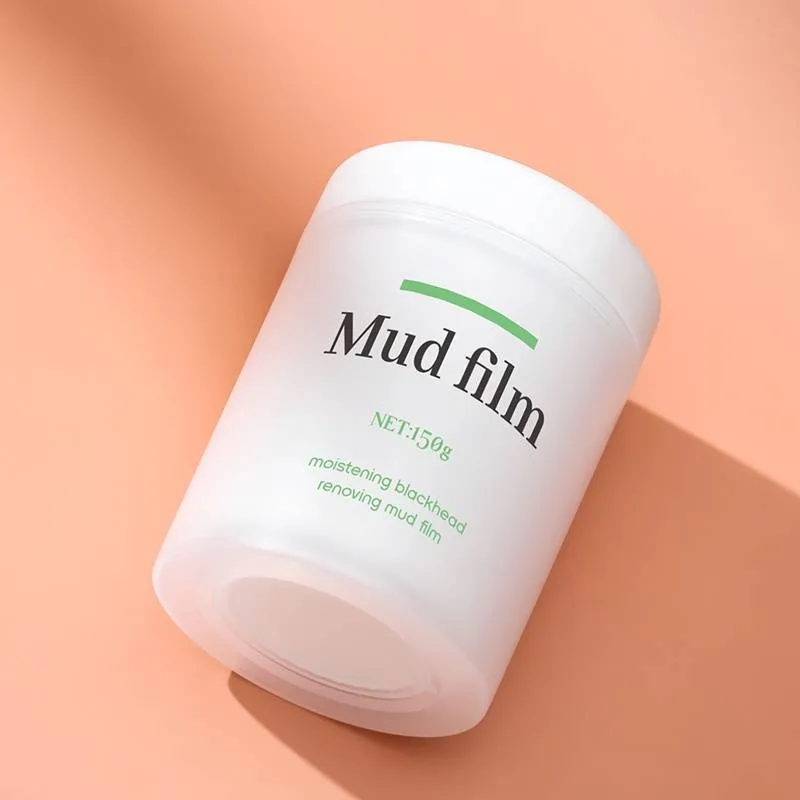




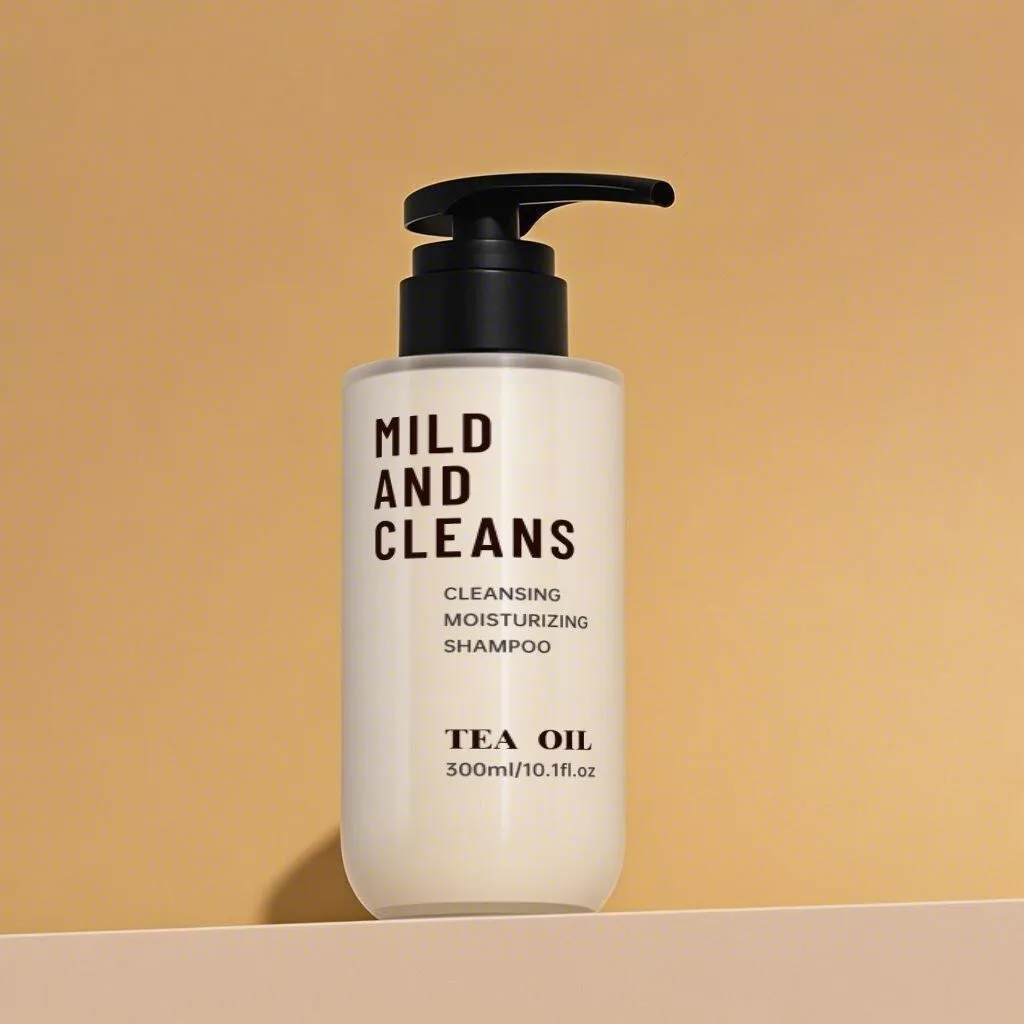
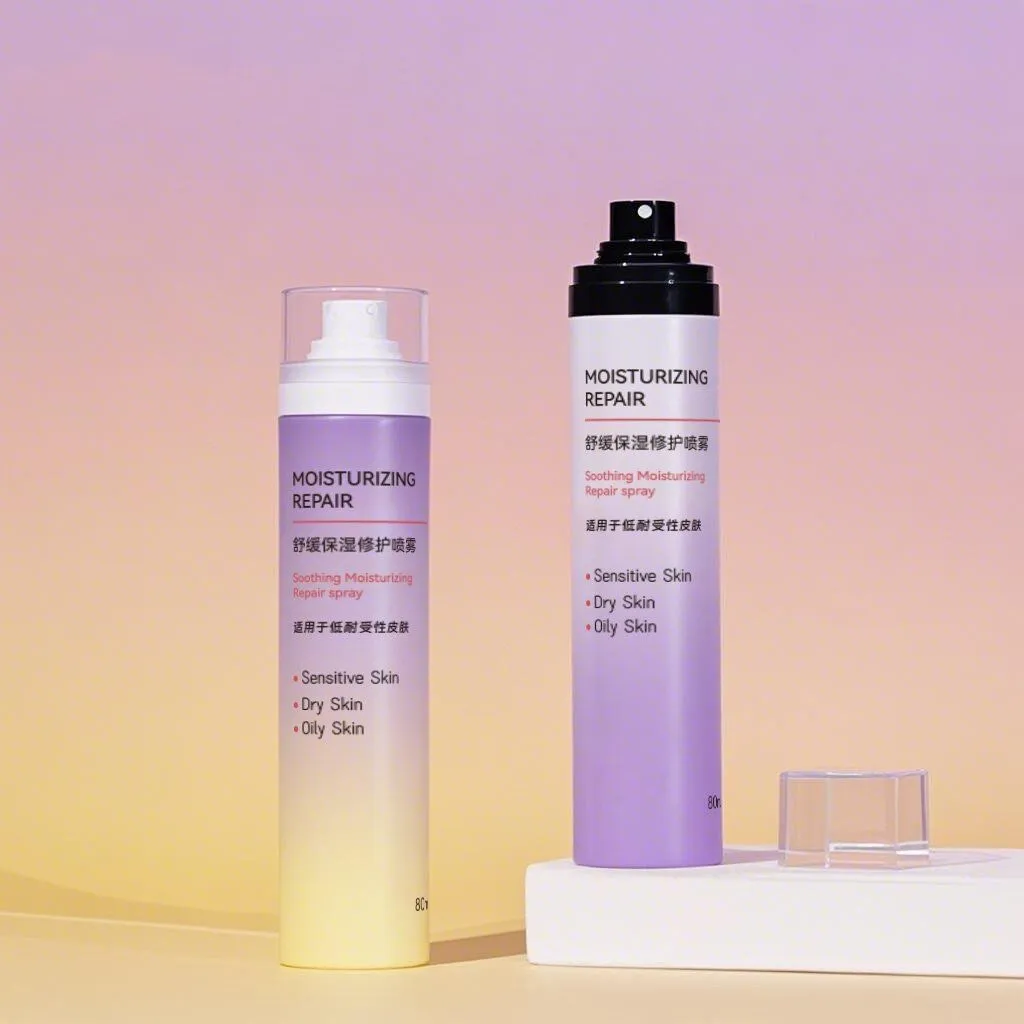

Visual Effect vs Actual Process vs Cost Impact
| Visual Effect | Actual Process | Cost Impact |
|---|---|---|
| Matte grey bottle | Spray coating + drying line | Medium-High |
| Mirror-like silver finish | Vacuum electroplating + UV topcoat | High |
| Gold embossed logo | Hot stamping + precision-positioning mold | Medium |
| Gradient pearl effect | Multi-layer spray + multiple dryings + manual adjustment | High |
| Simple brand text | One-color silk screen print | Low |
What seems like “the same color” can vary 3–5x in cost depending on how it’s produced.
 Common Misunderstanding:
Clients often say:
“I just want a silver bottle with a gold logo. You help control the cost.”
But what many don’t realize is:
“Silver” comes in different forms:
Spray silver — low cost, poor opacity
Electroplated silver — highly reflective, 2–3x the cost of spray
Mirror silver — requires vacuum plating and multi-step processing
And “gold logo” can be:
Gold silk print — flat appearance
Hot stamping — strong 3D effect, requires accurate mold registration
Spray-coated gold block — very difficult, not recommended

Have a limited budget? Here’s how I would help you match it —
Use existing standard mold structures + unified color scheme or spray coating; it still looks premium, but saves a big portion of the cost.
For example:
Use a universal pump + electroplated spray finish to create a high-end look
Keep the multi-part structure, but choose same-color components to unify the brand style
Remove unnecessary gaskets and replace with structural sealing — controls cost while preventing leaks
We understand you want to save money, and we also understand you want a branded look — this is exactly how we deliver “have it all” solutions.
Want to know which structure is the most cost-effective for your product?
We can suggest 3 structure options for different budgets — free of charge, with a quick 10-minute response. Let’s talk anytime.
So it’s not the color that determines the cost—it’s how you achieve it.
 Four Key Variables That Truly Drive Processing Costs
| Variable | Cost Impact |
|---|---|
| Does the process involve multiple steps? | Each additional step (e.g. spray + hot stamping + electroplating) increases cost proportionally. |
| Does it require manual color tuning or adjustment? | Gradients and pearl finishes usually require manual handling, which leads to higher labor and material loss. |
| Is precision mold alignment needed? | Hot stamping, multi-pass printing, heat transfer, etc. require high-precision positioning tools. |
| Can the production line handle all steps in one go? | If a single line handles multiple processes → lower cost. If split across lines → higher cost due to transport and idle time. |
These four variables are what drive significant cost differences behind the same “visual effect.”
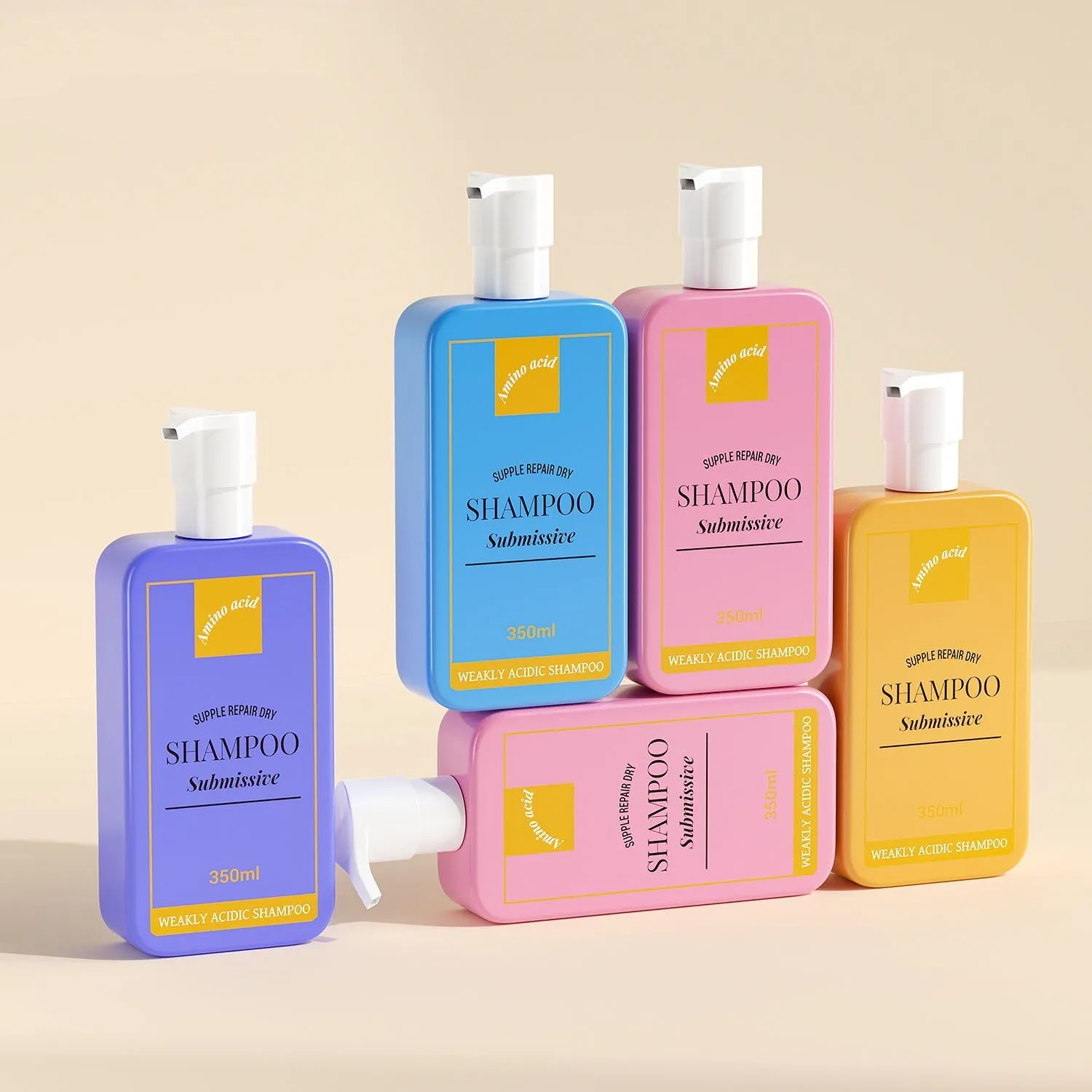
① Want full-bottle metallic shine? → Go for electroplating if budget allows; otherwise, silver spray coating is a great alternative.
② Want to highlight your brand? → Hot stamping (gold/silver) does the job with controlled cost.
③ Want a “wow” effect? → Pearl or gradient coating is super eye-catching, but comes with higher MOQs.
They may look equally shiny, but the cost varies a lot.
Tight budget? I can offer alternative solutions — same visual impact, half the cost.
A Real Case Example:
A European beauty brand wanted to develop a refillable inner-bottle structure for their serum packaging. Visually, it just looked like “a bottom piece that can be pulled off.”
The client assumed it was a slight structural change
In reality, it involved:
Precise fit between inner bottle and outer bottle + leak-proof control system
Custom angle for special beveled base
Sealing structure with 4 internal components
New mold development + independent function testing
Unit cost increased from $1.2 → $1.7 USD.
At first, the client thought it was “unbelievable,” but once we deconstructed the design and showed every part involved, they instantly understood the value behind it.
In summary:
Complex structures = cost multipliers.

When clients hear “refillable,” their first thought is: reusable, less waste, should be cheaper.
But in reality, it’s actually a more complex packaging system — and the cost stacks up:
 But we must be clear:
Eco-friendly ≠ using fewer materials Eco-friendly ≠ simple structure Eco-friendly ≠ low-tech
True eco-packaging means: reusable, disassemblable, replaceable, decomposable, and recyclable.
Each of these five things requires structural, process, and quality upgrades.
① Multi-structure layering (not one-step molding)
Take the common refillable packaging as an example 
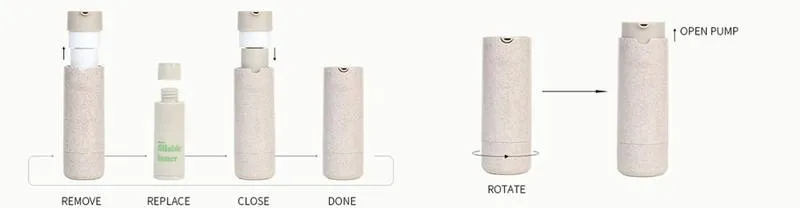
On the surface it looks like a single bottle, but the internal structure is actually a three-piece set:
Outer shell (responsible for brand texture)
Removable inner container (used to hold the product)
Sealing buckle + rotation mechanism (for leak prevention and easy replacement)
The inner container and outer shell must be highly matched — no looseness, but also not too tight.
Usually, public molds cannot be used → can only go through private mold development, which means high upfront investment.
This kind of structure is essentially “a small container nested in a large container,” so it naturally costs 25%~50% more than a single-bottle structure.
② Material limitations lead to cost increase
Eco-friendly packaging often requires the use of the following materials:
PCR (Post-Consumer Recycled): recycled material from post-consumer waste
Bio-based plastics (such as PLA)
Glass / metal (reusable)
Recyclable wood, bamboo (used for caps)
These materials:
Cost 20%–80% more than conventional PP/PE
Require dedicated injection lines or mold adjustments
Are prone to deformation, have low flowability, and are harder to process
The cost lies not only in the “material unit price,” but also in the labor, equipment, and time required for process adaptation.
③ More difficult quality control, higher defect rate
Eco-friendly structures involve more components and more complex designs, leading to the following challenges:
QC difficulty increases: more structural fit points require strict testing and control
Higher defect rate: misaligned buckles, poor sealing, or refill failures → can lead to full-batch rework
Additional pre-shipment testing: function tests, refill trials, leak tests are required
What seems to you like “just one more part,” is to us “a whole new verification process.”
Solution: Eco-friendly ≠ expensive — there are many “balanced approaches.”
Being sustainable is great, but that doesn’t mean you have to start with the most expensive refillable structure.
Here are some smarter options we can help you with:
 Semi-refillable structure: Reuse the pump and outer bottle, only replace the inner pod — keeps costs under control.
 Standard structure + eco-friendly materials: Use PCR, bamboo, or glass — it looks sustainable and gives you more flexibility in execution.
Standard bottles + customer guidance: Combine regular packaging with a repurchase strategy — still achieves circular use.
These solutions help you stay true to your brand values while making your budget work smarter.
Sustainability doesn’t have to start with the most expensive or complex option.
We recommend considering all three aspects — materials, structure, and user guidance — to find a sustainable solution that’s practical and achievable.
If you’re also looking to go eco-friendly but concerned about cost, we can help — for free.
We’ll evaluate your packaging structure and recommend budget-friendly solutions.
Click the WhatsApp icon or fill out the form in the bottom right — we’ll get back to you right away
To many clients, mold fees seem like “hidden charges” or “unjustified costs” — but in reality, they’re one of the most misunderstood yet essential parts of custom packaging.
Expensive mold fees aren’t your supplier “marking up on purpose” — they’re just how this industry works.
A mold isn’t like clay that can be reshaped at will — it’s a high-precision industrial system. Once made, it cannot be casually modified without affecting the structure, fit, or function.

What Is a Mold?
A mold is a high-precision metal tool used to manufacture packaging components such as bottles, caps, or pumps. It shapes raw materials into specific forms through processes like injection molding, blow molding, or die casting.
This is not 3D printing — and definitely not something you can tweak on the fly.
Even a small structural change may require a complete adjustment of the entire production system.
 A “Small Adjustment” Can Trigger a Complete Redesign
What many clients consider a “small change”
· Widening the bottle neck by 2mm
· Flattening the bottom
· Slightly shallower threads
· Softening the shoulder curve
But from an engineer’s point of view, these actually affect
· Does the injection flow path need to change? (Can the original gate still be used?)
· Is the demolding direction still workable? (Will the wider neck cause mold jamming?)
· Will the shrinkage rate go off? (Different shapes affect cooling flow speed)
· Will the structure still match the existing pump or cap?
So even a tiny structural tweak might require:
→ new mold cores
→ new mold base
→ revised parting surfaces
It’s not just “polishing a bit” — it’s re-engineering the mold.

Here’s the simple breakdown
Public Mold
→ A standard mold structure shared by multiple clients. No mold fee is required, but the structure cannot be modified. Ideal for startups or brands with limited budgets. You can still achieve a branded look through color customization, spray coating, plating, or printing.
Private Mold
→ A fully custom structure developed exclusively for your brand, including unique bottle shape, size, and thread details. One-time investment, but reusable for future orders. Recommended for brands with clear positioning or those seeking packaging differentiation — a strategic investment.
 Summary Comparison:
| Item | Public Mold | Private Mold |
|---|---|---|
| Mold Fee | None | One-time development cost |
| Custom Freedom | Structure fixed | Fully customizable |
| Exclusivity | Shared among brands | Exclusive to your brand |
| Best for | Fast launch / Cost control | Long-term / Brand differentiation |
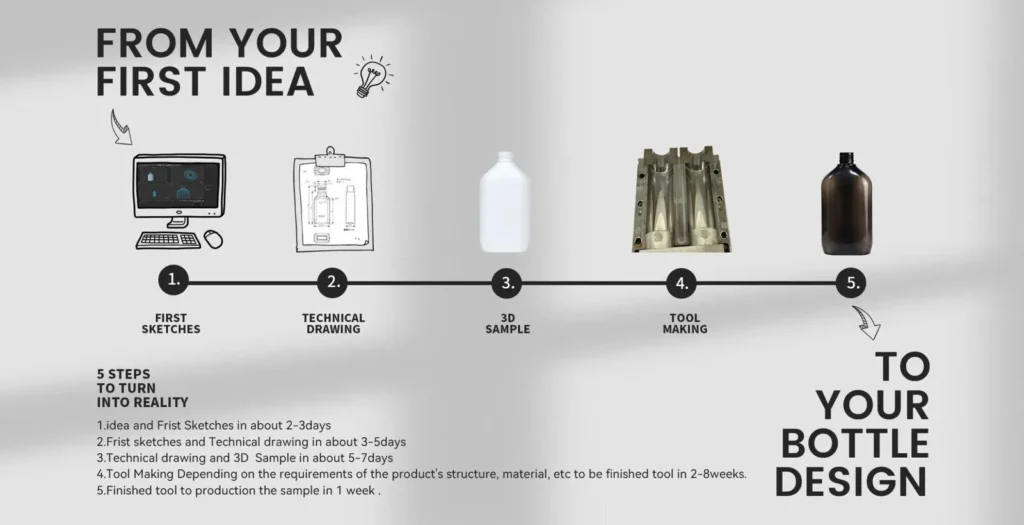
Mold Cost = Material + Structure + Size + Your Specific Requirements
Mold fees are not fixed — they’re calculated based on a combination of factors, such as:
· Material type: Glass vs. plastic molds have very different requirements for steel grade and precision
· Structural complexity: Single-wall bottles are simpler, while vacuum bottles require higher mold accuracy
· Product size: Larger formats need more material and are harder to shape — increasing tooling cost
· End use: Some clients need only a sample mold for presentation, others require mass production — the mold design and investment strategy differ
We don’t give you a scary all-in quote — we recommend the most suitable mold strategy based on your product type, market goals, order volume, and budget.
 How Is Mold Cost Actually Calculated?
It’s not about “random quotes,” but a very clear industrial costing logic:
| Cost Factor | Cost Impact |
|---|---|
| Material Type (PP / PET / Acrylic / PETG) | Determines the mold’s required steel type and durability |
| Product Size (30ml / 100ml / 500ml) | Determines the mold cavity volume and tonnage required for molding |
| Structural Complexity (single wall / double wall / snap-on / inner cup) | Determines number of mold cavities, part fit requirements, and demolding complexity |
| Surface Finish Requirements (glossy / matte / frosted) | Determines precision level and surface processing difficulty |
| Number of Cavities (2-cavity / 4-cavity / 8-cavity / 16-cavity) | Balances production efficiency vs. upfront investment |
| Tool Life (a few thousand? or hundreds of thousands?) | Determines whether to use soft tooling for prototyping or hard tooling for mass production |
How to Make Smart Mold Decisions Within Your Budget
We typically recommend three mold strategies based on your current brand stage:
| Situation | Recommended Mold Strategy | Reason |
|---|---|---|
| Just getting started / small batch test | Use public mold structure, differentiate via color, coating, or printing | Lower cost, faster turnaround |
| Clear production plan / strong positioning | Develop brand-exclusive private mold | Builds unique brand visuals and boosts trust |
| Seeking light customization / cost-sensitive | Suggest joint mold development or mold sharing | Share development cost with similar clients—save money and avoid duplicates |
Already have a design draft, concept sketch, or sample on hand—but not sure if a new mold is necessary?
We can help you evaluate it with zero guesswork:
Free assessment on whether existing molds can be used Recommendation of 3 closest ready-to-use mold options Sample making / mockup visuals / tailored mold development suggestions
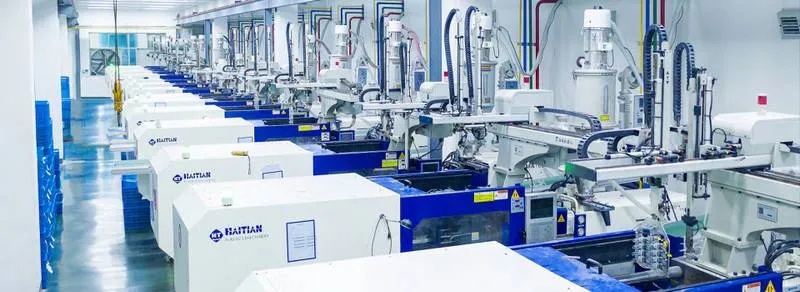
Not All Machines Are Created Equal
Think of it this way:
They’re all “cameras,” but some are just good for passport photos, while others shoot high-end fashion campaigns.
| Process | Equipment Difference | Cost Impact | Common Misconception |
|---|---|---|---|
| Silk Screen Printing | Basic single-color machine vs. high-speed servo multi-color press | Single-color machines print one at a time; servo machines print 4 colors in one go | “It’s just a logo — what’s the difference?” |
| Spray Coating | Manual spray + fixed temp vs. automatic line + multi-zone drying | Manual = color inconsistency & low efficiency; auto line = stable but higher setup cost | “Spray painting is just adding color, right?” |
| Hot Stamping | Manual alignment vs. CCD auto-alignment | Manual = misaligned logos; CCD = clean, accurate stamping | “A little off-center is fine, no big deal.” |
| Assembly | Semi-auto vs. fully automatic line with in-line inspection | Auto line integrates spring/washer assembly, inspection & sealing | “Isn’t manual assembly cheaper?” |
The more advanced the equipment, the better the precision, yield rate, and speed — but also the higher the initial investment.
These invisible factors are what actually drive the cost behind your packaging.
 Why You Should Care About Equipment Differences
Because it directly affects:
-
Lead time: Old machines take 2 days for 5,000 pcs; new machines do it in half a day.
-
Visual consistency: Is the logo off-center? Is the print fading? Are the lines blurry?
-
Batch consistency: Will your 5,000 or 10,000 sets look exactly the same?

A Real Case Example
A U.S. client needed 3-color printing + gold foil logo.
Factory A used a single-color press and printed 3 rounds, then hot-stamped.
-
Result: Misaligned logo, blurry layers, 3–4mm print offset, high rework rate.
We used a 4-color servo press + CCD hot stamping:
-
One-pass printing, perfect alignment
-
Crisp print and flawless foil edges
-
98.7% yield rate, zero complaints
Client feedback: “This is exactly the quality our brand deserves.”
How to Tell If a Supplier’s Equipment Matches Your Brand Needs?
Not necessarily.
Advanced equipment means:
-
Higher efficiency → Lower unit cost at scale
-
Better precision → Fewer defects, less waste
-
Process integration → Print + spray + stamp in one go
Sometimes, the supplier with a slightly higher quote actually delivers better ROI.
How can you assess whether a supplier’s equipment meets your brand’s requirements?
Here are a few key questions you can ask us:
① What type of silk screen printing machine do you use? Is it multi-color linked? Does it support auto-alignment?
② Is your spray coating line manual or fully automated? Do you use multi-zone temperature control?
③ Do you have in-line visual inspection systems installed?
④ Can you complete spraying + printing + hot stamping in a single integrated process?
If you’re unsure about any of the answers, we’re happy to provide production line videos, real-time sample-making footage, or even arrange a live remote factory tour — so you can evaluate the equipment capabilities yourself.